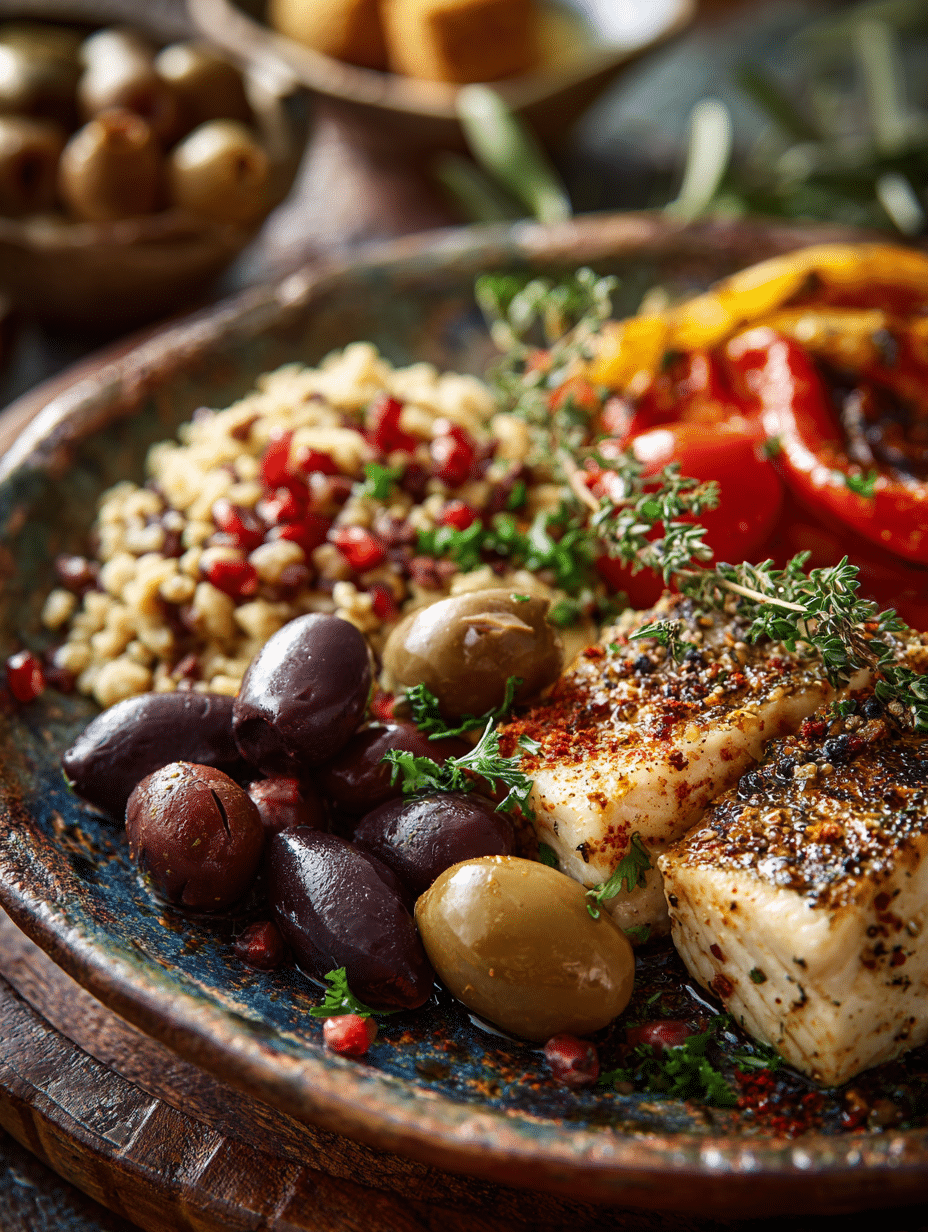
Mediterranean Diet Food List: Plant-Based Meals & Healthy Fats Explained
Consistently ranked as one of the healthiest eating patterns globally, the Mediterranean diet is far more than just a passing trend; it's a vibrant, sustainable lifestyle rooted in centuries of tradition. This approach to eating emphasizes wholesome, minimally processed foods, with a distinct focus on plant-based ingredients and a generous embrace of healthy fats. Far from restrictive, it's a celebration of flavor, fresh produce, and shared meals, offering a path to improved well-being and a reduced risk of various chronic conditions, especially cardiovascular disease.
If you're looking to Unlock Heart Health: Understanding the Mediterranean Diet Basics, understanding the core food list is your first step. Let's delve into the delicious and nutritious components that form the foundation of this revered diet.
The Mediterranean Philosophy: A Foundation of Whole Foods and Flexibility
Unlike many diets that impose rigid rules and calorie counting, the Mediterranean diet champions an overall eating pattern. It's inspired by the traditional culinary habits of people living in countries bordering the Mediterranean Sea in the mid-20th century. While eating styles vary across these diverse regions, common threads unite them: a strong preference for local, seasonal ingredients, a joyous approach to meals, and a clear emphasis on fresh, unprocessed foods.
This holistic philosophy is precisely why experts, year after year, praise its efficacy and ease of adoption. It’s not just about what you eat, but how you eat – mindfully, communally, and with pleasure. This makes it highly adaptable to individual needs and preferences, offering a sustainable model for long-term health rather than a short-term fix. To understand more about its widespread acclaim, read Why Experts Rank the Mediterranean Diet #1 for Health.
Building Your Plate: The Abundant Plant-Based Powerhouses
At the heart of the Mediterranean diet are plant-based foods, consumed in generous quantities at every meal. These ingredients provide a rich tapestry of vitamins, minerals, fiber, and antioxidants, crucial for optimal health.
Fruits and Vegetables: Your Daily Dose of Color and Nutrients
- Daily Focus: Aim for a wide variety of fruits and vegetables at every meal and as snacks. Think beyond just salads; incorporate them into main dishes, omelets, and smoothies.
- Examples:
- Vegetables: Spinach, kale, broccoli, bell peppers, tomatoes, cucumbers, eggplant, zucchini, onions, garlic, artichokes, carrots.
- Fruits: Apples, oranges, berries (strawberries, blueberries, raspberries), grapes, figs, peaches, melons, pomegranates.
- Tip: Embrace seasonal produce for the best flavor and nutritional value. Frozen vegetables and fruits are also excellent, convenient options.
Whole Grains: The Sustained Energy Source
- Emphasis: Choose whole grains over refined grains. They provide essential fiber, B vitamins, and sustained energy, contributing to satiety and digestive health.
- Examples: Whole-wheat bread, whole-grain pasta, brown rice, quinoa, farro, oats, barley, bulgur.
- Tip: Experiment with different grains in your cooking. Quinoa makes a great base for salads, and steel-cut oats are a perfect fiber-rich breakfast.
Legumes, Nuts, and Seeds: Protein, Fiber, and Healthy Fats
- Importance: These are vital sources of plant-based protein, dietary fiber, and healthy monounsaturated and polyunsaturated fats.
- Examples:
- Legumes: Lentils (red, green, brown), chickpeas, black beans, cannellini beans, kidney beans.
- Nuts: Almonds, walnuts, cashews, pistachios, hazelnuts (in moderation).
- Seeds: Chia seeds, flax seeds, sunflower seeds, pumpkin seeds.
- Tip: Add legumes to soups, stews, and salads. A handful of nuts makes a satisfying snack, and seeds can be sprinkled over yogurt or oatmeal for an extra boost.
Embracing Healthy Fats: The Golden Elixir of the Mediterranean Diet
One of the most defining characteristics of the Mediterranean diet is its generous inclusion of healthy fats, particularly extra virgin olive oil. This emphasis on beneficial fats contributes significantly to the diet's heart-protective qualities.
Extra Virgin Olive Oil (EVOO): The Primary Fat Source
- Cornerstone: EVOO is not just a cooking oil; it's a staple used in almost every dish. It's rich in monounsaturated fatty acids (MUFAs) and antioxidants.
- Uses: Sautéing vegetables, dressing salads, drizzling over finished dishes, dipping whole-grain bread.
- Tip: Invest in high-quality extra virgin olive oil. Its flavor and health benefits are superior. Store it in a cool, dark place to preserve its integrity.
Other Healthy Fat Sources
- Beyond EVOO: Nuts, seeds, and avocados also contribute valuable healthy fats to the diet.
- Benefit: These fats help lower bad cholesterol (LDL) while maintaining good cholesterol (HDL), crucial for heart health.
Moderate Pleasures: Supporting Elements of a Balanced Plate
While plant-based foods are paramount, the Mediterranean diet also includes other food groups in moderation, balancing taste and nutrition.
Fish and Seafood: Omega-3 Powerhouses
- Frequency: Aim for fish or seafood a few times a week, especially those rich in omega-3 fatty acids.
- Examples: Salmon, mackerel, sardines, tuna, trout, anchovies, shrimp.
- Benefit: Omega-3s are renowned for their anti-inflammatory properties and crucial role in heart and brain health.
Dairy, Poultry, and Eggs: Thoughtful Inclusions
- Dairy: Moderate amounts of natural cheese and yogurt are common. Opt for plain, unsweetened yogurt and natural, less processed cheeses.
- Poultry and Eggs: Poultry (chicken, turkey) and eggs are included in low to moderate amounts, serving as lean protein sources.
- Tip: Consider Greek yogurt for its higher protein content, and use eggs in frittatas or as a quick meal.
Wine (Optional and in Moderation)
- Guidance: If you already drink alcohol, a moderate amount of red wine with meals may be part of the tradition (one glass for women, two for men per day).
- Important Note: This is entirely optional. If you don't drink alcohol, the Mediterranean diet does not encourage you to start for health benefits.
Foods to Enjoy Sparingly (or Avoid): Shifting Your Habits
The Mediterranean diet gently steers you away from certain foods that are less beneficial for health:
- Red Meat: Consumed rarely, if at all, typically reserved for special occasions. Prioritize poultry, fish, beans, and lentils instead.
- Sweets and Sugary Drinks: Largely limited. Fresh fruit often serves as dessert.
- Highly Processed Foods: Minimize refined carbohydrates, processed meats, and foods high in added sugars, sodium, and saturated fats.
- Butter: Replaced by healthy fats like extra virgin olive oil.
Embrace the Mediterranean Lifestyle
The Mediterranean diet is more than just a list of foods; it’s a blueprint for a healthier, more vibrant life. By focusing on abundant plant-based foods, embracing healthy fats like extra virgin olive oil, and enjoying other nourishing ingredients in moderation, you can cultivate an eating pattern that is both delicious and profoundly beneficial for your long-term health. It’s an invitation to savor your food, connect with your community, and nourish your body from the inside out.
